
Frequently Asked
Step-by-Step Guide to Replacing Common Plumbing Fixtures
Upgrade Your Home with Confidence: A Friendly Guide to DIY Plumbing Fixture Replacements
Are you ready to tackle your next home improvement project with confidence? Replacing plumbing fixtures may seem daunting at first, but with a little guidance, you can transform your space and boost your DIY plumbing skills. In this friendly guide, we'll walk you through the essentials of installing sinks, offer a comprehensive toilet installation guide, and share valuable faucet replacement tips. Our goal is to empower you as a homeowner, helping you navigate these tasks with ease and precision. Whether you're a seasoned DIY enthusiast or a curious beginner, trust us to be your expert companion in achieving a successful plumbing makeover.
Replacing Plumbing Fixtures Like a Pro
Before diving into specific installations, let's cover the essentials of DIY plumbing. This section will help you prepare for your project with the right tools and workspace setup.
Choosing the Right DIY Plumbing Tools
Having the proper tools is crucial for successful plumbing fixture replacements. A well-stocked toolbox can make your DIY project smoother and more efficient.
Start with the basics: an adjustable wrench, pipe wrench, and pliers are must-haves. These versatile tools will help you tackle most connections and fittings.
Next, consider specialized tools like a basin wrench for hard-to-reach nuts behind sinks and a toilet auger for potential clogs. Don't forget a putty knife and plumber's tape for sealing joints.
Lastly, invest in safety gear. Gloves and safety glasses protect you from potential splashes and sharp edges. Remember, the right tools can make all the difference in your DIY plumbing success.
Preparing Your Space for Fixture Replacement
Creating an organized workspace is key to a smooth plumbing fixture replacement. Proper preparation can save you time and prevent costly mistakes.
First, clear the area around your work zone. Remove items from under sinks or around toilets to give yourself ample space to move and work comfortably.
Next, gather all necessary materials before starting. This includes your new fixture, tools, and any additional parts like supply lines or mounting hardware. Having everything at hand prevents mid-project interruptions.
Lastly, shut off the water supply to the fixture you're replacing. Locate the shut-off valve and turn it clockwise until it's fully closed. Test nearby faucets to ensure the water is off before proceeding with your project.
Installing Sinks: A Step-by-Step Guide
Replacing a sink can dramatically update your bathroom or kitchen. This guide will walk you through removing your old sink and installing a new one with confidence.
Removing the Old Sink Safely
Removing an old sink requires care and patience to avoid damaging surrounding surfaces. Follow these steps for a safe removal process.
Start by disconnecting the water supply lines and drain pipe. Place a bucket underneath to catch any residual water.
Next, remove any caulk or sealant around the sink's edges. A utility knife can help cut through stubborn areas.
For undermount sinks, locate and remove the mounting clips or screws holding it in place. For drop-in sinks, simply lift it out after loosening any clips.
Remember to inspect the surrounding area for any damage or wear that might need addressing before installing the new sink.
Installing Your New Sink Confidently
With the old sink removed, you're ready to install your new one. Follow these steps for a successful installation.
Begin by dry-fitting your new sink to ensure it fits properly. Make any necessary adjustments to the countertop opening if required.
Apply a bead of silicone caulk around the sink's edge or rim for a watertight seal.
Carefully lower the sink into place, ensuring it's level and properly aligned.
Secure the sink according to the manufacturer's instructions, typically using mounting clips or brackets.
Finally, reconnect the water supply lines and drain pipe, using plumber's tape on threaded connections to prevent leaks. Test your installation by running water and checking for any leaks.
Toilet Installation Guide for Beginners
Replacing a toilet might seem intimidating, but with the right approach, it's a manageable DIY task. Let's break down the process into two main steps: removal and installation.
Removing the Existing Toilet
Removing an old toilet requires careful handling to avoid damage and mess. Follow these steps for a smooth removal process.
Start by shutting off the water supply and flushing the toilet to empty the tank. Disconnect the water supply line from the tank.
Next, remove the nuts at the base of the toilet. Gently rock the toilet to break the wax seal, then lift it straight up and away.
Finally, remove the old wax ring and clean the flange. This is a good time to inspect the flange for any damage that might need repair before installing the new toilet.
Installing a New Toilet with Ease
Installing your new toilet is a straightforward process when you follow these steps carefully.
Begin by placing a new wax ring on the flange. Carefully lower the new toilet onto the flange, making sure it's level and properly aligned.
Secure the toilet by tightening the nuts at its base. Be careful not to overtighten, as this can crack the porcelain.
Finally, reconnect the water supply line and turn on the water. Check for leaks and test flush several times to ensure proper operation.
Faucet Replacement Tips for Success
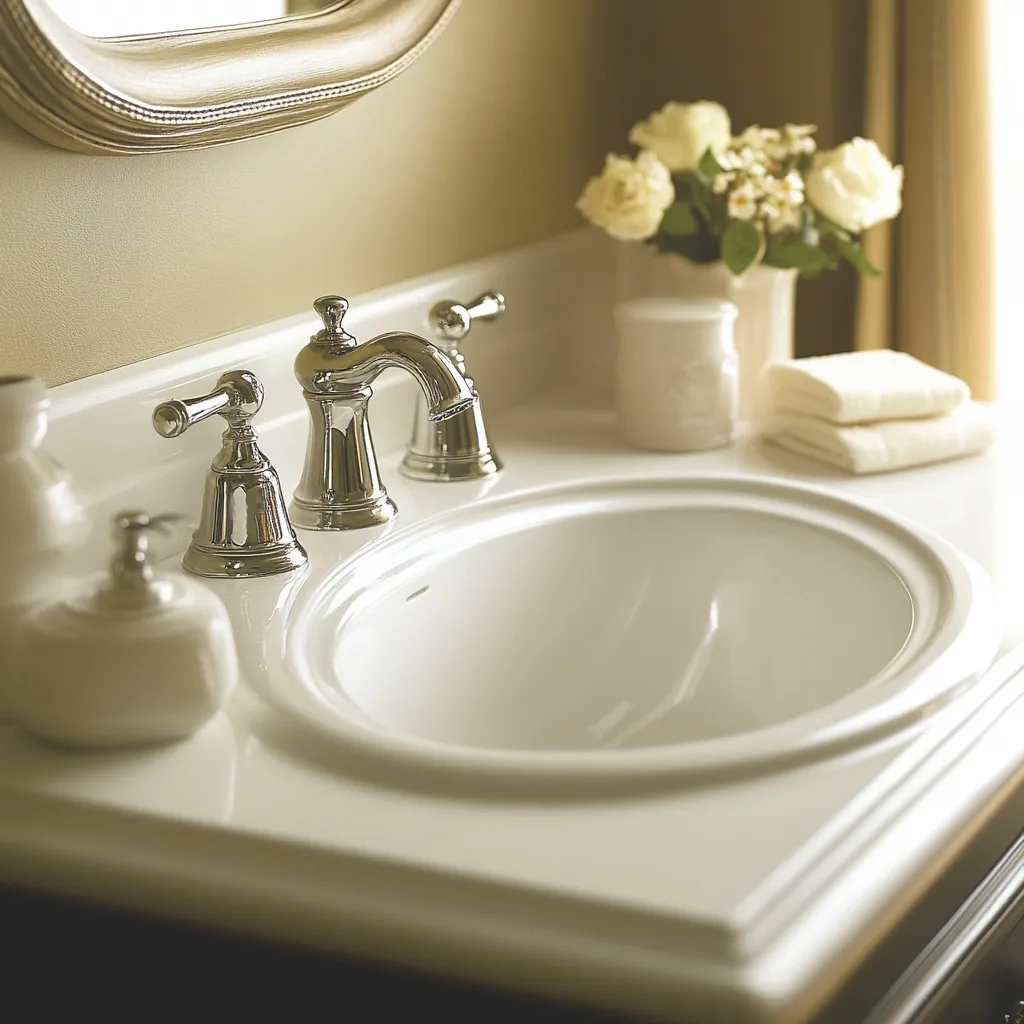
Updating your faucets can give your bathroom or kitchen a fresh look. This section will guide you through selecting the right faucet and ensuring a leak-free installation.
Selecting the Perfect Faucet
Choosing the right faucet involves more than just aesthetics. Consider these factors for a functional and stylish selection.
First, match the faucet to your sink's configuration. Count the number of holes in your sink and choose a faucet that fits.
Next, consider the finish. Choose a finish that complements your existing fixtures and is durable enough for daily use.
Lastly, think about functionality. Features like pull-down sprayers or touchless operation can enhance your faucet's usability.
Ensuring a Leak-Free Installation
A properly installed faucet should provide years of leak-free service. Follow these tips for a successful installation.
Start by thoroughly cleaning the mounting surface. Any debris can prevent a proper seal and lead to leaks.
When connecting supply lines, use plumber's tape on threaded connections and hand-tighten before using a wrench. Over-tightening can damage the fittings.
After installation, run water through the faucet and check all connections for leaks. If you spot any, tighten connections slightly or reapply plumber's tape as needed.

Servicing:
Bridgewater
East Bridgewater
West Bridgewater
Middleboro
Taunton
Servicing:
Brockton
Whitman
Lakeville
Plympton
Berkley
Call 508-697-2100
Email: