
Frequently Asked
DIY vs. Professional Plumbing: What You Can Fix and When to Call an Expert
DIY Plumbing vs. Professional Services: Your Trusted Guide to Navigating Repairs at Home
Navigating the waters of plumbing repairs can be daunting for any homeowner or property manager, but understanding the difference between DIY plumbing and when to call in professional plumbing services is crucial. While tackling minor issues yourself can be both satisfying and cost-effective, certain plumbing projects require the expertise and precision of a skilled professional to ensure long-lasting results. This guide aims to empower you with essential plumbing tips and advice on DIY vs. professional plumbing, helping you make informed decisions about your home's plumbing needs. From recognizing the signs of when to call a plumber to gaining confidence in handling simpler tasks, we'll explore everything you need to know to keep your plumbing in top condition. With our expert guidance, you'll feel supported and assured in maintaining a safe and efficient plumbing system.
Understanding DIY Plumbing
DIY plumbing can be a rewarding and cost-effective way to maintain your home's plumbing system. However, it's crucial to understand which tasks are suitable for DIY and which require professional expertise.
Common DIY Plumbing Repairs
DIY plumbing projects can range from simple fixes to more complex tasks. Homeowners can often handle minor issues without professional help.
Unclogging drains is a common DIY task. Start by using a plunger or a drain snake to remove blockages. For stubborn clogs, a mixture of baking soda and vinegar can be effective.
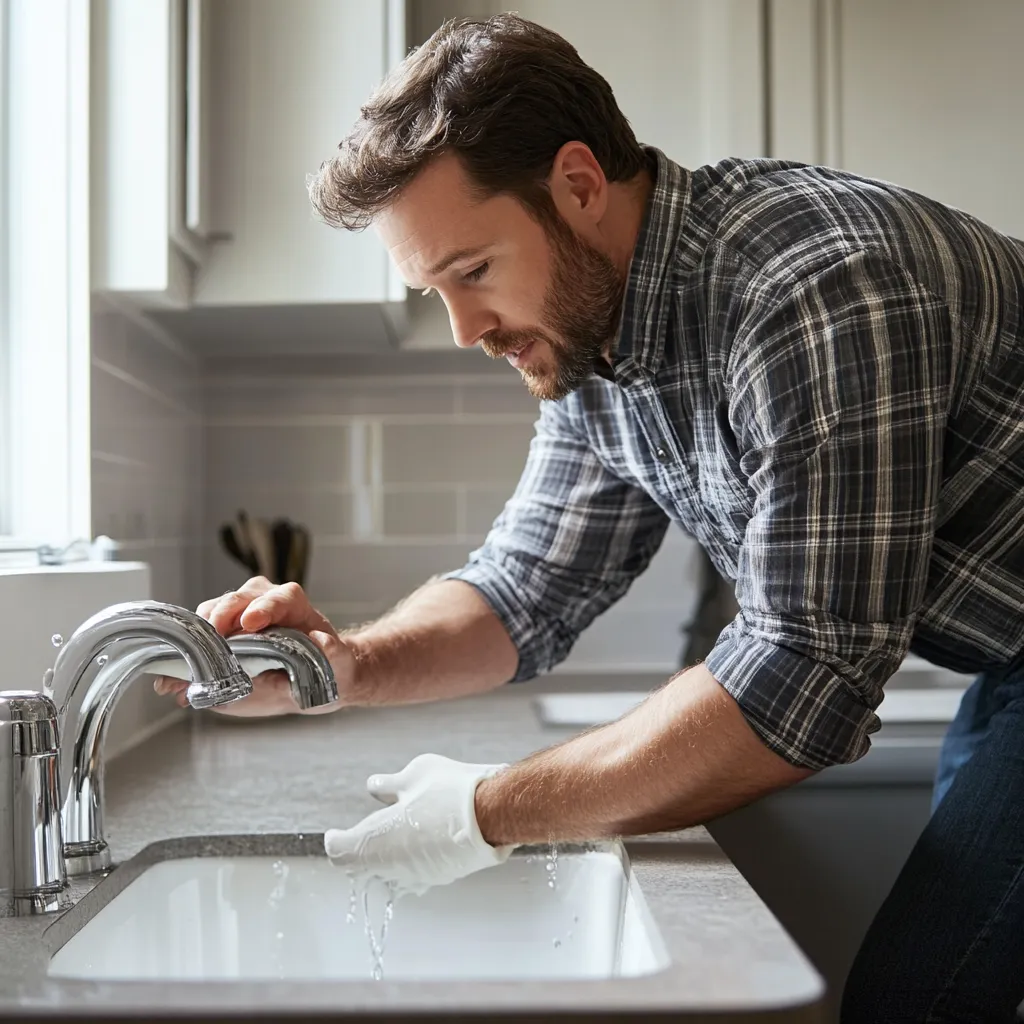
Fixing a leaky faucet is another manageable DIY project. Begin by turning off the water supply, then disassemble the faucet to replace worn-out washers or O-rings.
Replacing a showerhead is a simple upgrade that can improve water pressure and efficiency. Unscrew the old showerhead, apply plumber's tape to the shower arm threads, and screw on the new showerhead.
Risks and Benefits of DIY Projects
DIY plumbing projects offer several benefits but also come with potential risks that homeowners should consider carefully.
Benefits:
Cost savings on labor
Immediate resolution of minor issues
Sense of accomplishment and increased home maintenance skills
Risks:
Potential for water damage if repairs are done incorrectly
Safety hazards, especially when working with water heaters or gas lines
Possibility of voiding warranties or insurance coverage
Careful assessment of your skills and the complexity of the task is crucial. Simple fixes can be rewarding, but complex issues may require professional expertise to avoid costly mistakes.
When to Call a Professional
While DIY projects can be satisfying, certain plumbing issues demand the expertise of a professional. Recognizing these situations is crucial for maintaining your home's plumbing system and avoiding potential disasters.
Signs You Need an Expert
Identifying when to call a professional plumber is essential for preventing minor issues from escalating into major problems.
Persistent low water pressure throughout your home could indicate a main line issue. This requires professional diagnosis and repair to ensure proper water flow.
Frequent drain clogs in multiple fixtures may signal a sewer line problem. Professional plumbers have specialized equipment to inspect and clear sewer lines effectively.
Water heater issues, such as no hot water or strange noises, often require expert attention. Professional plumbers can safely diagnose and repair these complex systems.
Visible water damage or mold growth may indicate hidden leaks. Professionals can locate and repair these leaks, preventing further damage to your home's structure.
Benefits of Professional Services
Hiring a professional plumber offers numerous advantages that can save you time, money, and stress in the long run.
Expertise and Experience: Professional plumbers have extensive training and experience in handling a wide range of plumbing issues. They can quickly diagnose problems and implement effective solutions.
Advanced Tools and Technology: Plumbing professionals have access to specialized equipment, such as video inspection cameras and hydro-jetting machines, which allow for more accurate diagnoses and efficient repairs.
Warranty and Insurance: Reputable plumbing companies often provide warranties on their work and carry liability insurance. This protects you from additional costs if issues arise after the repair.
Code Compliance: Professional plumbers are knowledgeable about local building codes and regulations. They ensure that all repairs and installations meet these standards, preventing potential legal issues.
Emergency Services: Many plumbing companies offer 24/7 emergency services, providing peace of mind knowing that help is available whenever you need it.
Choosing the Right Plumbing Solution
Deciding between DIY and professional plumbing services requires careful consideration of various factors, including cost, complexity, and potential risks. Making an informed choice ensures the best outcome for your plumbing needs.
Cost-Effectiveness of DIY vs Professional
Understanding the cost implications of DIY versus professional plumbing can help you make the most economical decision for your situation.
While DIY often appears cheaper initially, factor in the potential for errors and the value of your time. Professional services may offer better long-term value for complex tasks.
Tips for Successful Plumbing Projects
Whether you choose DIY or professional services, following these tips can help ensure the success of your plumbing projects.
Research thoroughly: Before starting any plumbing project, gather information from reputable sources. Understand the process, required tools, and potential challenges.
Invest in quality tools: For DIY projects, having the right tools is crucial. Quality plumbing tools can make tasks easier and more efficient.
Turn off the water supply: Always shut off the main water supply or local shut-off valves before starting any plumbing work to prevent water damage.
Document your work: Take photos or videos before and during the project. This can be helpful for future reference or if you need to consult a professional later.
Know your limits: Be honest about your skills and experience. If a project seems too complex, it's better to call a professional than risk costly mistakes.
By following these guidelines and making informed decisions, you can navigate your plumbing needs effectively, whether through DIY efforts or professional assistance.

Servicing:
Bridgewater
East Bridgewater
West Bridgewater
Middleboro
Taunton
Servicing:
Brockton
Whitman
Lakeville
Plympton
Berkley
Call 508-697-2100
Email: